
Yelp vs Google Reviews: Which is Better for Your Business?
When it comes to building your online reputation, reviews can make or break your business.
Whether you run a local shop, a service company, or an online brand, customer feedback plays a huge role in how people see you.
Two of the biggest platforms for reviews are Yelp and Google. Both have their strengths, but they work in very different ways.
If you are trying to decide where to focus your efforts, this guide will help you understand the key differences in Yelp vs Google reviews and which one matters more for your business growth.
Yelp Vs. Google Reviews: A Quick Glance at the Key Differences
At a high level, both platforms help customers discover businesses and share feedback. The main difference is reach and influence.
Google reviews are tied directly to Google Search and Google Maps. This gives them a much wider audience. Yelp, on the other hand, is more of a dedicated review platform with a strong community but a smaller user base.
Google is often better for visibility and local SEO, while Yelp is known for detailed reviews and niche audiences. Understanding how each works will help you decide where to invest your time.
Understanding Yelp Review
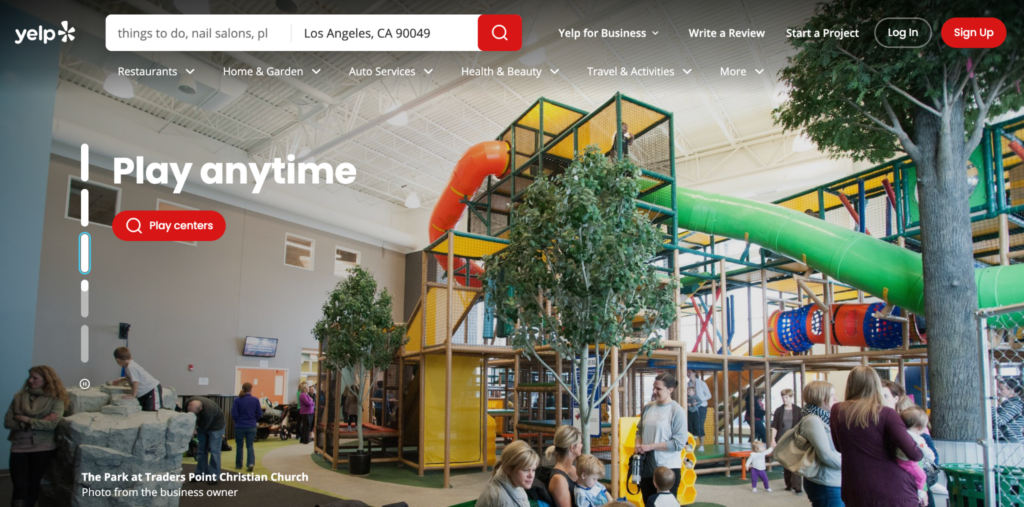
What is Yelp?
Yelp is a review platform where users can find and review local businesses. It focuses heavily on restaurants, services, and lifestyle businesses.
People use Yelp to discover new places and read detailed customer experiences before making a decision.
How Does Yelp Work?
Yelp works as a community-driven platform. Users search for businesses, read reviews, and leave their own feedback based on personal experiences.
1. Search Functionality
Users can search for businesses by category, location, or keywords. Yelp helps people find nearby services quickly.
2. Listings and Filters
Businesses are listed with filters such as rating, distance, price range, and popularity. This helps users narrow down their choices.
3. Business Details
Each listing includes important information like hours, contact details, photos, and services offered.
4. Reviews and Ratings
Customers can leave detailed reviews along with star ratings. Yelp reviews are often longer and more descriptive than those on other platforms.
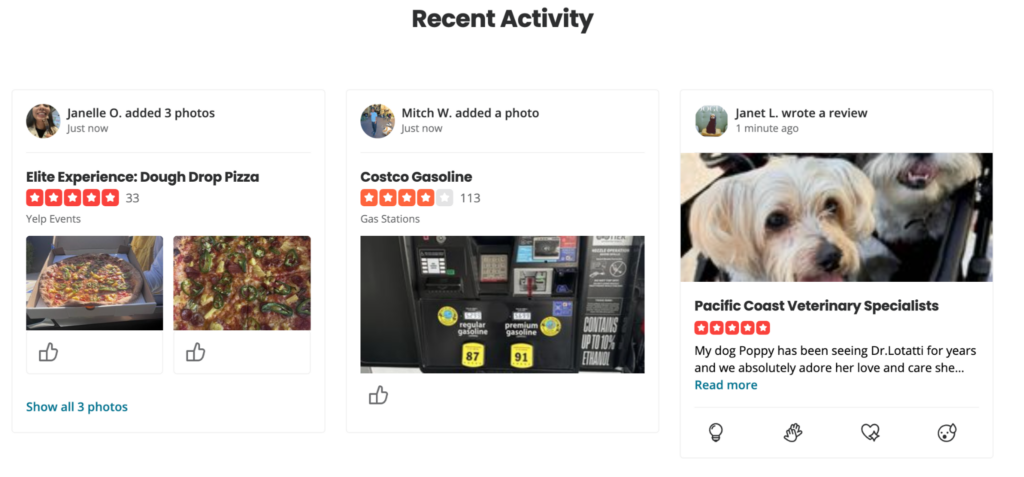
5. Interaction
Users can like, comment, or mark reviews as helpful. This creates a sense of community and engagement.
6. Additional Features
Yelp also offers features like check-ins, photos, and user profiles that add more depth to the platform.
Advantages of The Yelp Review Platform
Yelp has built a strong reputation over the years, especially in certain industries.
1. Wide Exposure
Yelp is well-known, especially for restaurants and local services. Many users go directly to Yelp when searching for recommendations.
2. Recommendation Feature
Yelp filters reviews using its own system. It highlights what it considers the most reliable reviews, which can improve trust.
3. Ease of Use
The platform is simple to navigate, and users can quickly find what they need.
Disadvantages of The Yelp Review Platform
While Yelp has its benefits, it also comes with some challenges.
1. Hiding Genuine Reviews
Yelp’s filter can hide reviews it considers less trustworthy. Sometimes this includes real customer feedback, which can frustrate business owners.
2. Getting Negative Reviews Without Getting Listed
Your business can appear on Yelp even if you did not create a listing. This means you could receive reviews without actively managing your profile.
3. Expensive Enhanced Listing
Yelp offers paid features for better visibility, which can be costly for small businesses.
Understanding Google Reviews
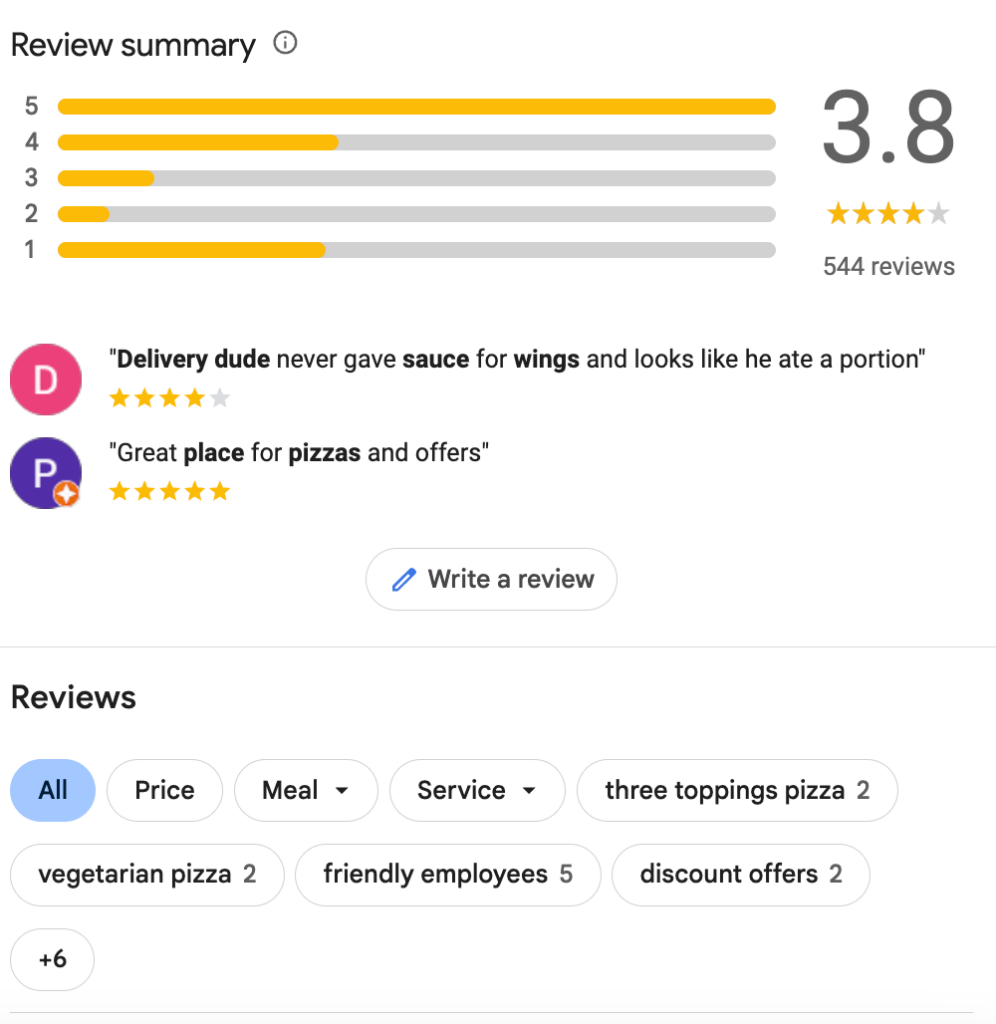
What are Google Reviews?
Google reviews are customer feedback left on your Google Business Profile. These reviews appear in Google Search and Google Maps, making them highly visible to potential customers.
How Does Google Review Work?
Google reviews are easy to access and widely used, which makes them powerful for businesses.
1. Search Functionality
Customers can find your business directly through Google search results. Reviews are displayed alongside your listing.
2. Writing Business Review
Users can leave a review quickly by clicking on your business profile. The process is simple and takes only a few seconds.
3. Reading Customer Reviews
Customers can read reviews, view ratings, and see photos shared by others. This helps them make informed decisions.
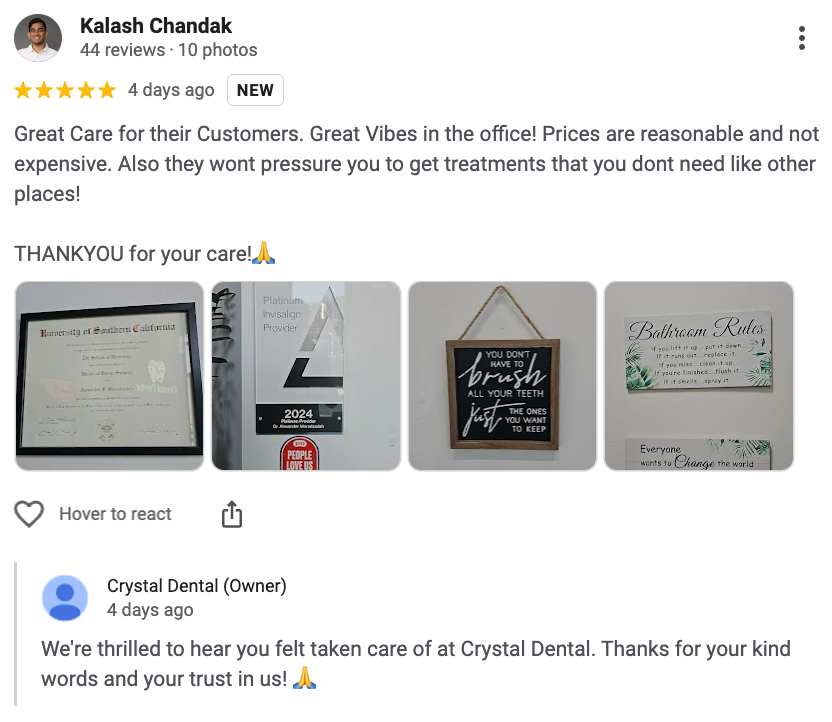
4. Responding to Reviews
Business owners can reply to reviews, which helps build trust and improve customer relationships.
5. Questions and Answers
Google allows users to ask questions about your business. You can respond and provide helpful information.
Advantages of Google Reviews
Google reviews are a major part of online reputation management.
1. Boost to Local SEO
Google reviews directly impact your search rankings. More positive reviews can help your business appear higher in local results.
2. Higher Volume of Reviews
Because of Google’s large user base, businesses tend to receive more reviews compared to Yelp.
3. Local Ranking Factor
Reviews are a key factor in Google’s algorithm. They influence how your business shows up in search and maps.
Disadvantages of Google Reviews
Despite its benefits, Google reviews also have some limitations.
1. Lesser Opportunities for Removing Fake Reviews
It can be difficult to remove fake or spam reviews. Google does have policies, but the process is not always quick.
2. Users Can Leave Star Ratings Without Any Comments
Some users leave ratings without explaining their experience. This can make feedback less useful or even confusing for viewers.
3. Impact of Negative Reviews
Negative reviews can affect your rating and visibility, especially if not managed properly.
Google vs Yelp Reviews: Factors to Consider While Choosing Between Google Reviews and Yelp
Choosing between Yelp and Google reviews depends on your business goals and audience.
1. User Base
Google has a much larger audience. Most people use Google to search for businesses, which makes it the more powerful platform for visibility.
2. Authenticity of Review
Yelp focuses heavily on filtering reviews to maintain quality. Google allows more reviews but may include some that are less detailed.
3. Community Engagement
Yelp has a strong community feel, with users actively engaging with reviews. Google is more focused on quick and easy feedback.
4. Reach and Influence
Google has greater reach because it is part of everyday search behavior. Yelp is influential in specific industries but does not have the same scale.
How to Get More Google Reviews
If you want to grow your online presence, focusing on Google reviews is one of the smartest moves you can make.
Reviews help build trust, improve your local SEO, and influence buying decisions. The key is to make the process simple, natural, and part of your everyday customer experience.
Start by asking at the right time. Customers are most likely to leave a review right after a positive interaction.
This could be after a successful service, a completed purchase, or a great in-store experience. A friendly and simple request can go a long way.
Make it easy for customers to leave a review. Share a direct Google review link through email or text so they do not have to search for your business.
You can also use QR codes on receipts, packaging, or signage to give customers a quick way to leave feedback.
Consistency also matters. Do not ask once and stop. Build review requests into your process so every happy customer has the opportunity to share their experience.
Over time, this creates a steady flow of positive reviews.
Another important tip is to respond to all reviews. Thank customers for positive feedback and handle negative reviews calmly and professionally.
This shows that you care and encourages more people to leave reviews.
ReputationManage
If you are lacking a strong review presence and need to enhance your reputation, you can use a service like ReputationManage to buy Google reviews.
With real, authentic Google reviews, ReputationManage can help you to expand your online presence and draw in new business while you continue to gain reviews from previous clients.
This is an excellent option if you want to combat competitors in your area or boost your local SEO ratings and presence. Reputationmanage is a trustworthy source that you can count on to improve your online reputation.
Conclusion
When comparing Yelp vs Google reviews, both platforms have value, but they serve different purposes.
Yelp is great for detailed reviews and strong community engagement, especially in certain industries. Google reviews, however, offer greater visibility, better SEO benefits, and a larger audience.
For most businesses, Google reviews should be the main focus. They help improve search rankings, build trust, and attract more customers. Yelp can still be useful as a secondary platform, especially if your target audience uses it.
The best strategy is to build a strong presence on both while focusing more on Google for growth and visibility.
FAQs
Is Google reviews or Yelp more accurate?
Both platforms aim to provide accurate feedback, but Yelp uses stricter filters. Google has more reviews, which can give a broader picture.
What is the most trusted site for reviews?
Google is widely trusted due to its large user base, while Yelp is trusted for detailed and curated reviews.
What do people use now instead of Yelp?
Many users rely more on Google reviews because they are integrated into search and maps.
Why is Google getting rid of reviews?
Google is not removing reviews entirely, but it may remove spam or fake reviews to maintain quality.
Is it better to leave a review on Google or Yelp?
Google is usually better because it has more visibility and impact on search results.
Are Yelp reviews visible on Google?
Yelp reviews are not directly shown on Google, but Yelp listings may appear in search results.
Can Google and Yelp detect fake reviews?
Yes, both platforms use systems to detect and remove fake reviews, though no system is perfect.
