
SEO For Google: 2026 Guide to Google Search Engine Optimization
If you want to grow your business in 2026, you need to understand how SEO works for Google. For both online stores and physical businesses, showing up on Google is one of the best ways to get more customers.
It’s a no brainer: people search before they buy. They look for more Google reviews, compare options, and choose businesses that show up first. That’s where SEO comes in.
SEO, or search engine optimization, helps your business rank higher on Google so more people can find you. It’s not just about traffic. It’s about getting the right traffic. The kind that turns into calls, visits, and sales.
If you’re using Google Business Profile, reviews, and a website, you’re already on the right path. Now it’s about improving your strategy and understanding how SEO works in today’s search world.
Let’s take a look at just what types of SEO can serve you as a business owner and what you can do to start standing out.
What is the difference between SEO and PPC for Google?
SEO and PPC are two different ways to get traffic from Google, and both can help your business grow.
SEO focuses on organic results. This means you don’t pay for each click. Instead, you optimize your website and content so Google ranks you higher over time.
PPC, or pay-per-click, is paid advertising. You pay Google to show your business at the top of search results. Every time someone clicks your ad, you pay a fee.
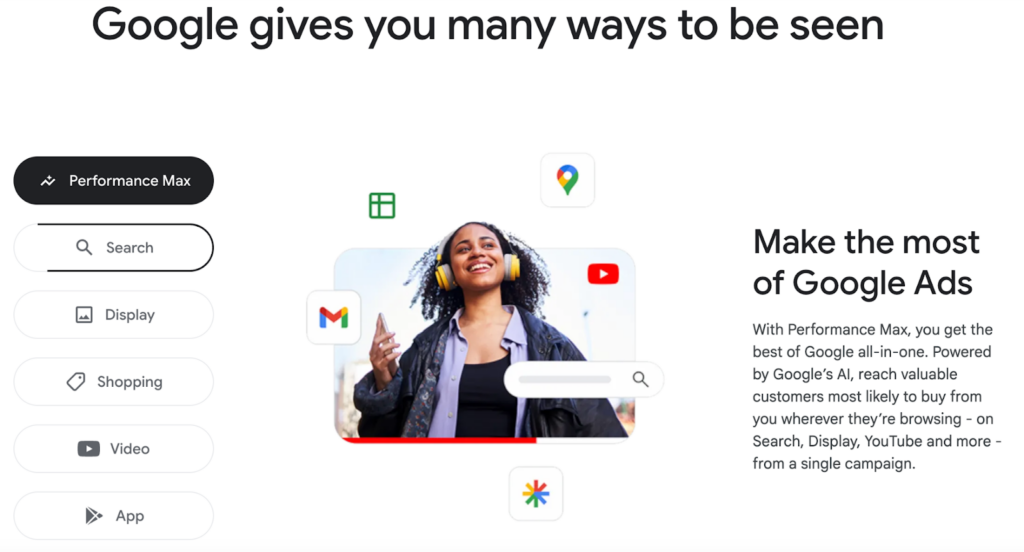
The main difference is simple. SEO takes time but builds long-term results. PPC is faster but costs money every time someone clicks.
For most businesses, the best approach is to use both. SEO builds a strong foundation, while PPC can bring in quick traffic when needed.
On-Page SEO for Google
On-page SEO is everything you do on your website to help it rank better on Google. This includes your content, keywords, and how your pages are structured.
If you want Google to understand your website, you need to make your pages clear and helpful. Start by using the right keywords. These are the words people type into Google when they search.
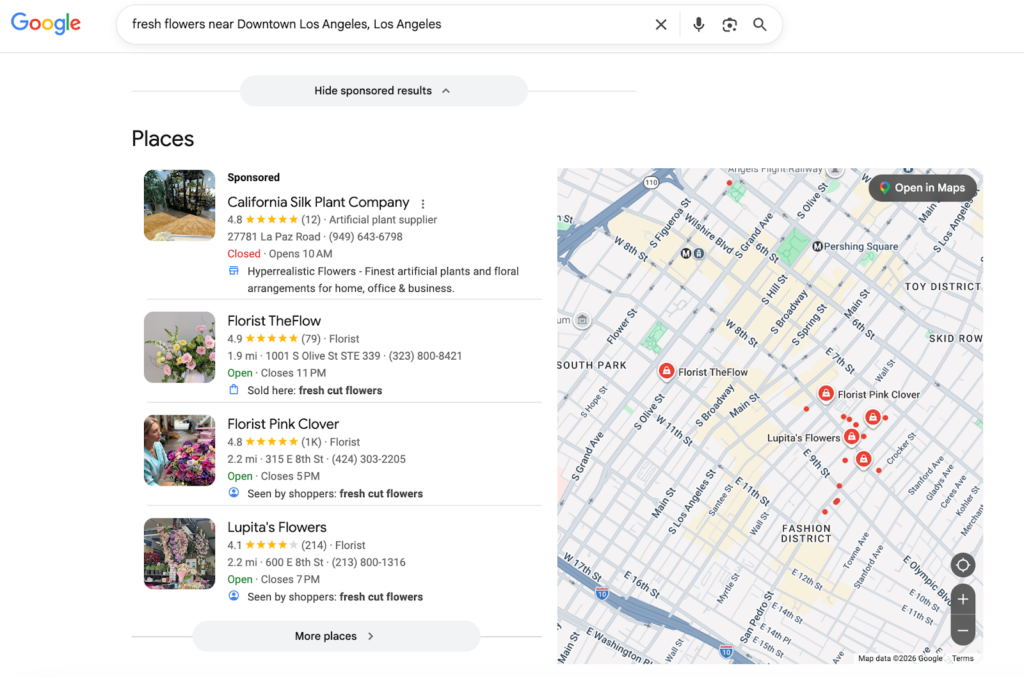
For example, if you run a local bakery, you might use keywords like “best bakery near me” or “fresh bread in [your city].” This is known as local SEO.
Your content should answer questions and provide value. Google rewards pages that help users. That means writing clear, useful, and easy-to-read content.
Titles and headings also matter. They tell Google what your page is about. Make sure your main keyword, like SEO, appears naturally in your titles and content.
Images can help too. Add photos of your products or store, and use simple descriptions so Google understands them.
For online stores, product descriptions are a big part of on-page SEO. Don’t just list features. Explain benefits and answer common questions.
Off-Page SEO for Google
Off-page SEO is what happens outside your website that affects your rankings. It’s mostly about building trust and authority.
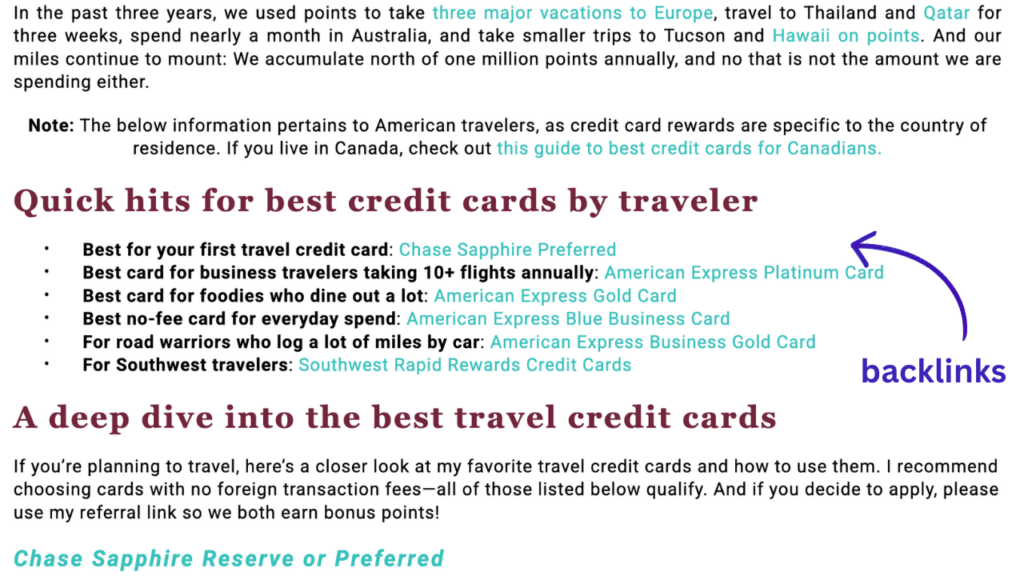
One of the biggest parts of off-page SEO is backlinks. These are links from other websites to your site. When trusted websites link to you, Google sees your business as more credible.
But backlinks aren’t the only factor. Your online reputation also plays a big role. Reviews, mentions, and social signals all help.
If people are talking about your business online, it sends a positive signal to Google. It shows that your business is active and trusted.
For local businesses, directories like Yelp and Google Business Profile are important. Make sure your information is consistent everywhere.
Off-page SEO takes time, but it helps build long-term credibility. The more trusted your business looks online, the higher you can rank.
Technical SEO for Google
Technical SEO is about how your website works behind the scenes. It helps Google crawl and understand your site.
If your website is slow or hard to use, it can hurt your rankings. People expect fast, smooth experiences. So does Google.
Make sure your website loads quickly and works well on mobile devices. Most searches now happen on phones, so mobile optimization is a must.
Your site should also be secure. Using HTTPS instead of HTTP helps build trust and improves SEO.
Clean structure is important too. Your pages should be easy to navigate, with clear links and simple menus.
Fixing technical issues might sound complicated, but even small improvements can make a big difference in your SEO performance.
Local SEO for Google
Local SEO is one of the most important parts of SEO for businesses in 2026.
If you serve a specific area, you want to show up when people search nearby. That’s exactly what Local SEO helps you do.
Your Google Business Profile is the center of your local strategy. Make sure it’s complete and updated with accurate information.
Add your business hours, services, and photos. Use keywords in your description so Google understands what you offer.
Location-based keywords are also important. Include your city or area in your website content.
Local SEO helps both physical stores and online businesses with local delivery.
It connects you with nearby customers who are ready to take action.
Do Google Reviews Affect Your SEO Performance?
Yes, Google reviews have a strong impact on your SEO performance.
Reviews help build trust with customers, and they also influence how Google ranks your business.
A business with more positive reviews is more likely to appear higher in local search results.
Reviews also improve click-through rates. When people see high ratings, they are more likely to choose your business.
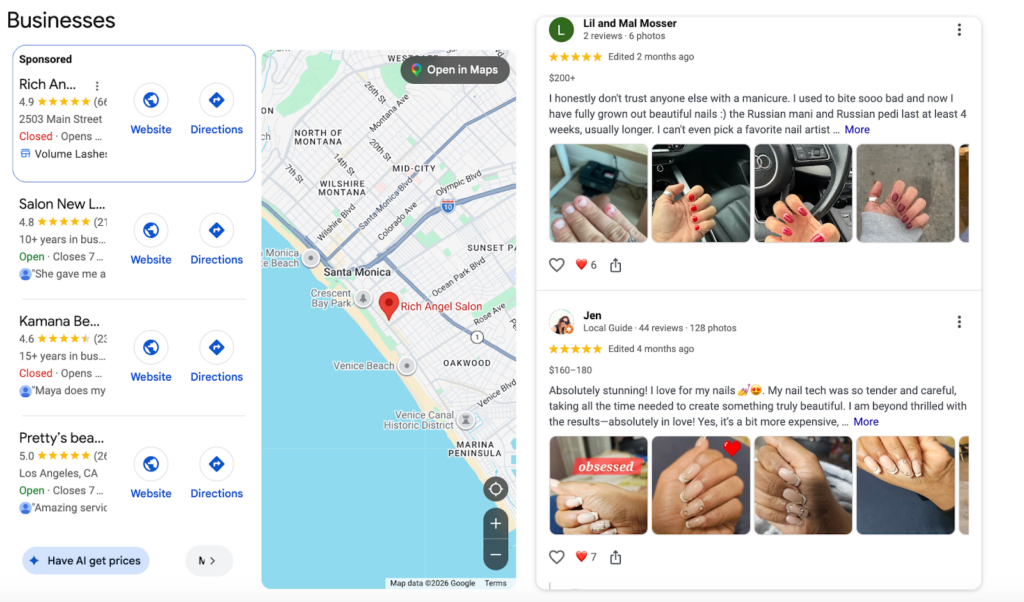
It’s not just about the number of reviews. Quality and consistency matter too. Regular reviews show that your business is active and reliable.
Responding to reviews can also improve your SEO. It shows engagement and helps build relationships with customers.
For businesses using Google Business Profile, reviews are one of the most powerful tools for growth.
Get More Google Reviews with ReputationManage
Getting more Google reviews is easier when you have the right system in place.
ReputationManage helps businesses collect reviews consistently by providing real, authentic Google reviews that can help boost your SEO.
When you use ReputationManage services, you can focus on growing your organic reviews without hurry or worry.
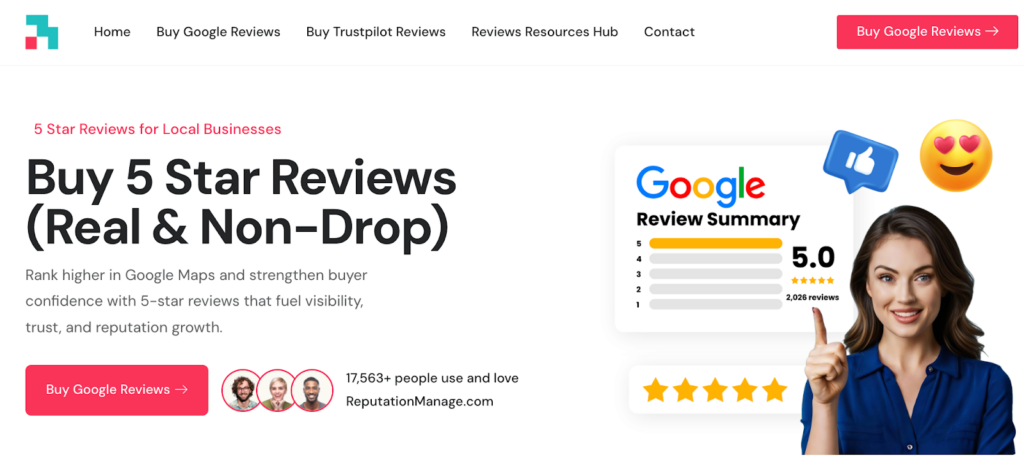
Instead of waiting for reviews to come in on their own, you create a steady flow with ReputationManage.
More reviews not only build trust with customers but also improve your Local SEO. With ReputationManage, you can grow your Google review count faster and strengthen your online presence.
SEO Optimization Tips
Improving your SEO doesn’t have to be complicated. A few smart strategies can go a long way.
- Focus on helpful content
- Use the right keywords naturally
- Keep your business information consistent
- Encourage customer reviews
- Make your website fast and mobile-friendly
These simple steps can improve your visibility and help you rank higher on Google.
Make Google Fall in Love with Your Content
Google wants to show users the best content possible. That means your content needs to be helpful, clear, and relevant.
Write like you’re talking to your customers. Answer their questions and solve their problems.
Avoid keyword stuffing. Instead, use keywords naturally within your content.
The goal is to create content that people actually want to read. When users stay on your page longer, it sends a positive signal to Google.
Relevance is Key
Relevance is one of the biggest factors in SEO.
Your content needs to match what people are searching for. If someone searches for a local service, they expect local results.
Use keywords that reflect real searches. Think about what your customers would type into Google.
Update your content regularly so it stays fresh and accurate. This helps maintain your rankings over time.
How E-E-A-T Helps Guide You
E-E-A-T stands for Experience, Expertise, Authoritativeness, and Trustworthiness. These are key factors Google uses to decide which content deserves to rank higher in search results.
If you want to improve your SEO in 2026, understanding E-E-A-T is a big deal.
So, let’s break it down in a simple way.
Experience means showing that you have real, hands-on knowledge. For example, if you run a local bakery, sharing your own baking process, customer stories, or behind-the-scenes content helps prove that you actually do what you say. Google values content created by people with real experience.
Expertise is about knowing your field. This doesn’t mean you need to sound overly technical. It just means your content should be accurate, helpful, and based on real knowledge.
If you’re explaining a product or service, make sure your information is clear and correct.
Authoritativeness is about your reputation. Do other people recognize your business? Do you have good reviews? Are other websites mentioning or linking to you?
The more signals that show your business is respected, the stronger your authority becomes.
Trustworthiness is one of the most important parts. People need to feel safe choosing your business.
This includes having clear contact information, honest reviews, secure website connections, and transparent policies.
For businesses using Google Business Profile, E-E-A-T shows up in several ways.
Your reviews, your responses to customers, your business details, and even your photos all help build trust and authority.
To improve your E-E-A-T, focus on a few simple habits:
- Share real experiences and insights from your business
- Keep your information accurate and updated
- Build a strong review profile
- Stay consistent across all platforms
When you follow these principles, you’re not just improving your SEO. You’re building a stronger brand that people trust. And that’s exactly what Google wants to show at the top of search results.
Do I Need an SEO Tool?
SEO tools can make your job easier, but they are not always required.
If you’re just starting out, you can do a lot with free tools like Google Search Console and Google Analytics.
These tools help you understand how people find your website and what keywords they use.
As your business grows, you might want to invest in paid SEO tools.
These can help with keyword research, competitor analysis, and tracking your rankings.
The key is to use tools to support your strategy, not replace it.
You can also use tools like ReputationManage to boost your performance.
Final Thoughts: SEO Performance + Resources
SEO is one of the most powerful ways to grow your business in 2026.
It helps you get found on Google, build trust with customers, and increase your sales. Whether you run an online store or a local business, SEO can make a big difference.
The most important thing is to stay consistent. SEO is not a one-time task. It’s an ongoing process.
Focus on providing value, building your reputation, and improving your online presence. Over time, your efforts will pay off.
When you understand how SEO works, you can turn search traffic into real business growth. You can also buy Google reviews with ReputationManage to help gain that competitive advantage.
FAQs
What is SEO and how does it work?
SEO stands for search engine optimization. It works by improving your website and online presence so Google ranks you higher in search results. This helps more people find your business.
How long does SEO take to work?
SEO usually takes a few months to show results. It depends on your competition and how consistent your efforts are. The key is to stay patient and keep improving your strategy.
Is SEO better than paid ads?
SEO and paid ads both have benefits. SEO provides long-term results without paying for each click, while ads bring faster traffic. Many businesses use both together.
Can I do SEO on my own?
Yes, beginners can start SEO on their own using simple strategies like optimizing content, setting up Google Business Profile, and getting reviews. As your business grows, you can decide if you need expert help.
