
What is Local SEO and 9 Ways to Do It
If you run a business that serves a specific area, you have probably heard the term local SEO. But what is local SEO, and why does it matter so much?
Local SEO helps your business show up when people search for services near them. Whether someone is looking for a coffee shop, plumber, or dentist, local SEO makes sure your business appears in those results.
In today’s digital world, most customers search online before making a decision. If your business is not showing up, you are missing out on potential customers.
The good news is that local SEO is something you can learn and improve step by step. Here we’ll explain exactly what you need to do to get more Google reviews and bump up your local SEO rankings!
Let’s go.
What Is Local SEO?
Local SEO stands for local search engine optimization. It is the process of improving your online presence so your business appears in local search results on Google.
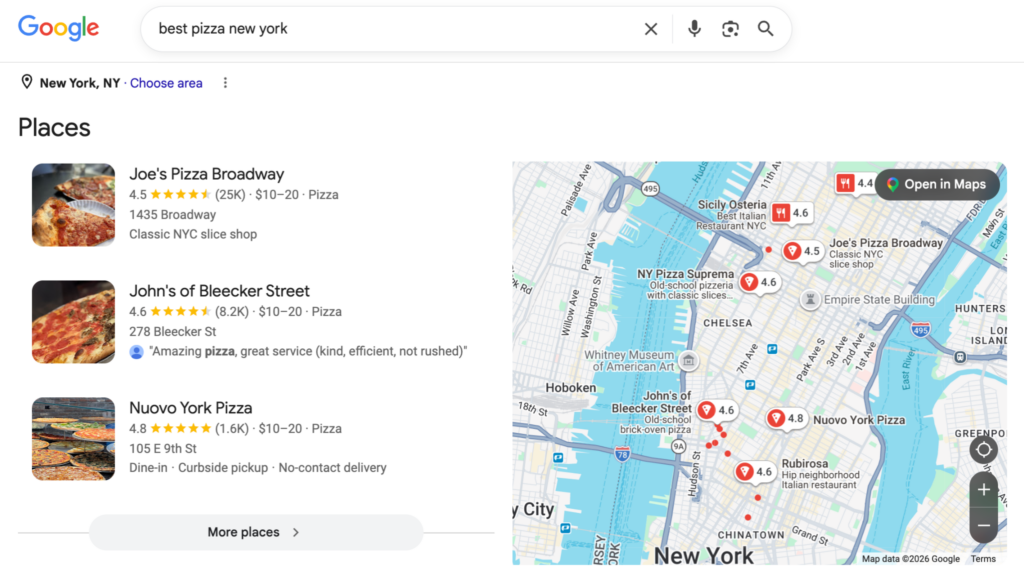
For example, when someone searches for “best pizza near me” or “hair salon in Los Angeles,” Google shows a list of nearby businesses. These results are influenced by local SEO.
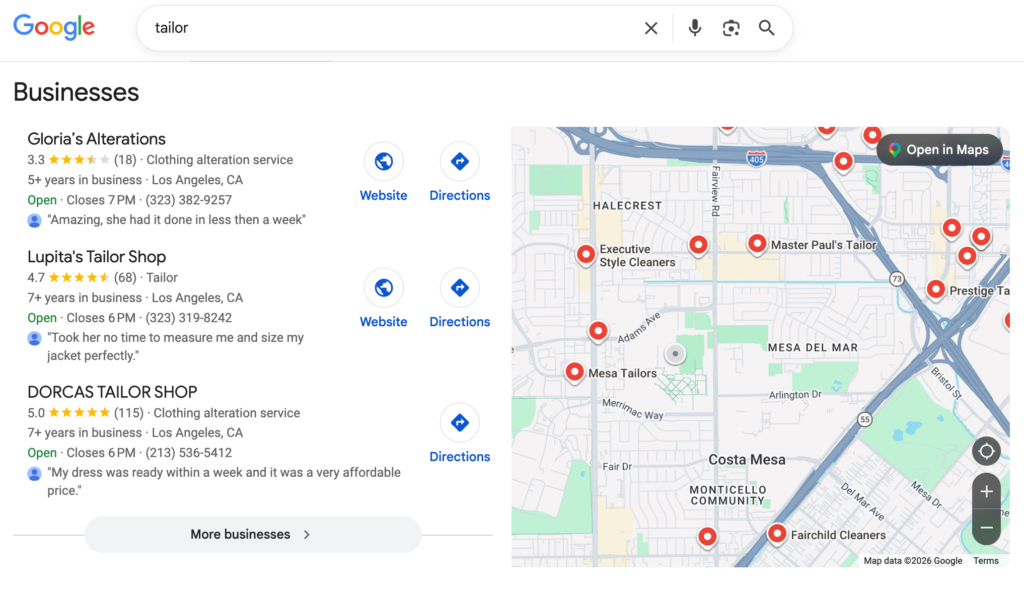
Local SEO focuses on helping your business appear in:
- Google Search results
- Google Maps
- The local pack, which is the top three listings shown on Google
It is all about connecting your business with people in your area who are ready to take action.
Why Is Local SEO Important?
Local SEO is important because it brings in customers who are actively looking for what you offer. These are not random visitors. These are people who are ready to call, visit, or buy.
When your business appears in local search results, you gain more visibility.
This leads to more website visits, phone calls, and foot traffic. It also builds trust. Customers are more likely to choose a business that shows up at the top with strong reviews.
Another reason local SEO matters is competition. Many businesses are trying to rank for the same keywords.
If you do not optimize for local search, your competitors will take those spots.
Local SEO also works well for both online and physical businesses.
Even if you do not have a storefront, you can still target a specific service area and attract local customers.
How Local SEO Works
Local SEO works by helping Google understand where your business is located and what services you offer. Google then matches your business with relevant searches.
There are three main factors that influence local SEO:
Relevance means how well your business matches what someone is searching for. If your business details clearly describe your services, you are more likely to appear in relevant searches.
Distance refers to how close your business is to the searcher. Google tries to show results that are nearby.
Prominence is how well-known your business is online. This includes reviews, backlinks, and overall reputation.
When you combine these factors, Google decides where your business should rank in local results.
How to Do Local SEO
Improving your local SEO does not have to be complicated. By focusing on the right steps, you can start seeing results over time.
Get More Google Reviews
Google reviews are one of the strongest signals for local SEO. Businesses with more positive reviews tend to rank higher and attract more customers.
You can buy Google reviews to help gain traction and boost your local SEO rating with ReputationManage. ReputationManage provides real reviews that increase your visability as you continue to build your own organic reviews.
This is a great strategy when you need to generate more traffic for your business but are still developing your online presence, or haven’t had any new reviews in a while.
In addition, encourage satisfied customers to leave reviews by making the process easy. Share a direct review link or use a QR code so customers can leave feedback quickly.
Always respond to reviews to show that you value customer input.
Do Local Keyword Research
Local keyword research helps you understand what people in your area are searching for. This allows you to target the right phrases in your content.
Research Your Competitors
One of the easiest ways to find local keywords is by looking at what your competitors are already doing. If they are ranking well, they are likely using the right terms.
Start by searching for your main service in Google. Look at the top results and analyze their websites. Pay attention to their page titles, headings, and content. These often include valuable keywords.
You can also use SEO tools like Ahrefs, SEMrush, or Ubersuggest to see which keywords your competitors rank for. These tools show keyword data, traffic estimates, and ranking positions, which is excellent for competitor monitoring and strategy.
Another simple method is to check their Google Business Profile. Look at the business description and customer reviews. Reviews often contain natural language keywords that real customers use.
Use Google Autocomplete
Google Autocomplete is a free and powerful way to discover local keywords. When you start typing a search into Google, it suggests phrases based on real user searches.
For example, typing “dentist in” may show suggestions like “dentist in Los Angeles open now” or “dentist in Los Angeles for kids.” These are real queries that people are searching for.
Try different variations of your main keyword. Add your city, neighborhood, or service type. This helps you uncover long-tail keywords that are less competitive and more specific.
You can also scroll to the bottom of the search results page to find “related searches.” These give you even more keyword ideas.
Leverage Google Keyword Planner
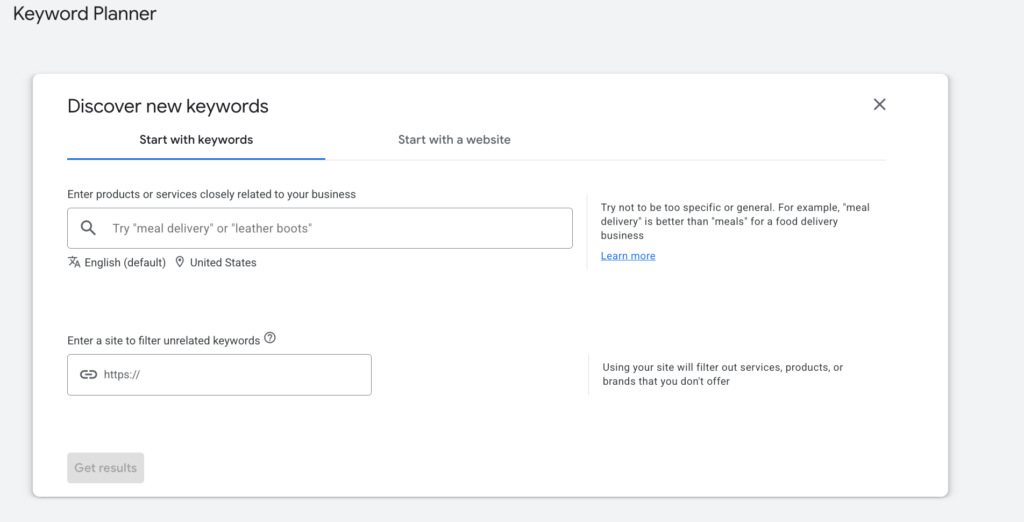
Google Keyword Planner is another useful tool for finding local keywords. It is free to use with a Google Ads account and provides data on search volume and competition.
Enter your main service and location into the tool. It will generate a list of related keywords along with how often they are searched. This helps you identify which keywords are worth targeting.
You can also filter results by location. This ensures that the data reflects searches in your specific area, not just general trends.
Look for keywords with a good balance of search volume and competition. High-volume keywords are popular, but they can also be harder to rank for. Mixing in lower competition keywords can help you get results faster.
By combining competitor research, Google Autocomplete, and keyword tools, you can build a strong list of local keywords.
These keywords will guide your content, improve your visibility, and help you attract more local customers.
Optimize Your Google Business Profile
Your Google Business Profile is one of the most important parts of local SEO. Make sure all your information is accurate and complete.
Add your business name, address, phone number, website, hours, and services. Upload high-quality photos and keep your profile updated.

A well-optimized profile helps you appear in Google Maps and local search results.
Keep Your Business Profile Active
An active profile signals to Google that your business is engaged. Post updates, share photos, and respond to customer questions regularly.
This activity can improve your visibility and help you stand out from competitors.
Get and Monitor Local Citations
Local citations are mentions of your business on other websites. This includes directories, review sites, and listings.
Make sure your business information is consistent across all platforms. This helps Google trust your business and improves your rankings.
Encourage and Respond to Online Reviews
Reviews are not just about numbers. They are about engagement. Encourage customers to leave feedback and respond to all reviews, both positive and negative.
This builds trust and shows that you care about customer experience.
Refine Your On-Page SEO
Your website also plays a big role in local SEO. Use local keywords in your titles, headings, and content.
Include your location on key pages and make sure your contact information is easy to find. Create pages for specific services and locations if needed.
Build Backlinks
Backlinks are links from other websites to yours. They act as a vote of confidence for your business.
Try to get links from local websites, blogs, and directories. This can improve your authority and help your rankings.
Local SEO Tools
Using the right tools can make Google SEO easier and more effective.
Listing Management
Listing management tools help you manage your business information across multiple directories. This ensures consistency and saves time.
Position Tracking
Position tracking tools show where your business ranks for different keywords. This helps you measure progress and adjust your strategy.
Google Search Console
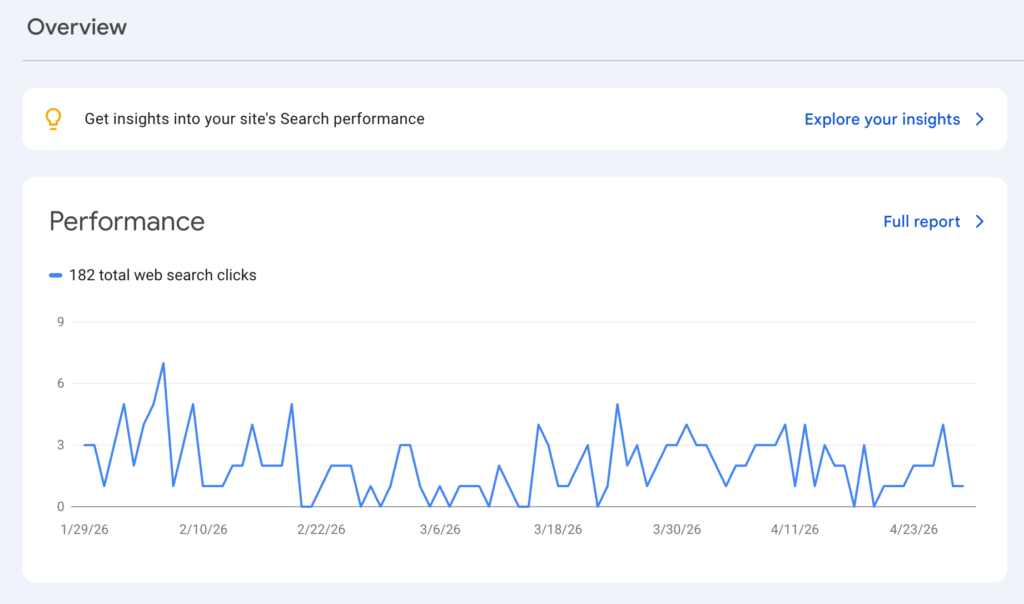
Google Search Console provides insights into how your website performs in search results. You can see which keywords bring traffic and identify areas for improvement.
How to Monitor Your Local SEO Results
Tracking your results is important so you know what is working and what needs improvement.
Track Your Rankings in Google Maps
Check where your business appears in Google Maps for your target keywords. This gives you an idea of your local visibility.
Track Your Local Rankings in Google Search
Monitor your rankings in regular search results as well. Look for improvements over time and adjust your strategy as needed.
Start Building Your Local Visibility
Now that you understand what is local SEO, it is time to take action. Start with the basics, such as optimizing your Google Business Profile and collecting reviews.
Then build on that with keyword research, content, and backlinks.
Local SEO is not a one-time task. It is an ongoing process. The more consistent you are, the better your results will be.
By focusing on the right strategies, you can increase your visibility, attract more local customers, and grow your business both online and offline.
